Retaining Wall Design & Installation
Transform sloped yards into usable outdoor space with professionally engineered retaining walls that last for generations.
Why Professional Retaining Wall Design Matters
A retaining wall is not just a decorative feature. It is a structural element that holds back tons of soil and prevents erosion on sloped properties. When designed and built correctly, retaining walls create level terraces for gardens, patios, and walkways while protecting your home foundation from soil movement. When built incorrectly, they fail catastrophically, sending soil, water, and debris sliding down your property and potentially damaging structures below.
Here in Roseville, CA, many properties have natural slopes that benefit from retaining walls. We see homeowners who want to expand their usable yard space, control erosion problems, or create attractive terraced gardens. We also see plenty of failed DIY retaining walls and contractor-built walls that were never engineered properly. These failures happen because the builder did not account for soil pressure, water drainage, or foundation requirements. The wall might look fine initially, but within a few years it starts leaning, cracking, or collapsing.
Professional retaining wall installation starts with understanding the soil conditions, drainage patterns, and structural loads your wall will face. We evaluate your property carefully and design walls that meet local building codes and engineering standards. This upfront planning might seem like extra work, but it is what separates walls that last 50 years from walls that fail in 5 years. When you invest in a properly designed retaining wall from RV Roseville Masonry, you get peace of mind knowing your wall will perform as intended for decades.
Retaining Wall Materials and Options
Choosing the Right Material for Your Project
The material you choose for your retaining wall affects both its appearance and structural performance. Each option has advantages and works best in specific situations. We help you select materials that match your budget, aesthetic preferences, and the structural demands of your site.
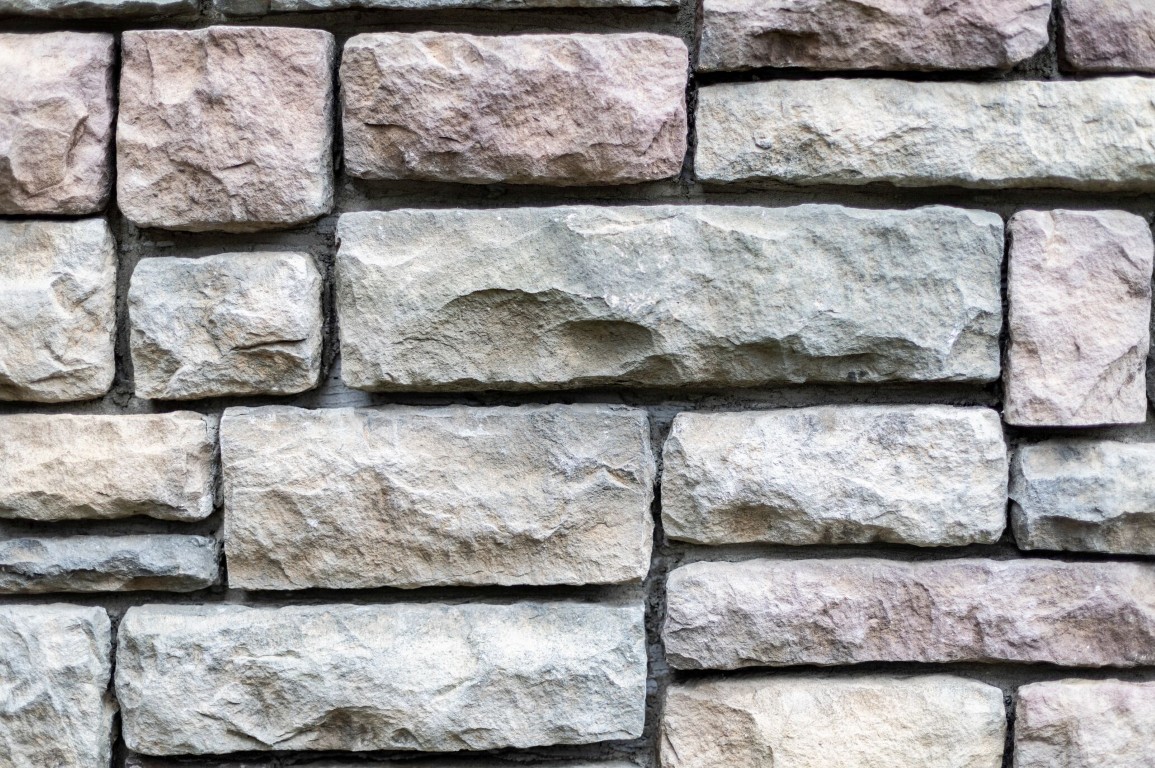
- Natural stone walls offer timeless beauty and can be dry-stacked or mortared depending on height and design
- Concrete block systems provide excellent strength and come in many colors and textures that mimic natural stone
- Brick retaining walls create classic formal appearances and integrate beautifully with brick homes
- Poured concrete walls handle the highest loads and work well when faced with stone veneer for improved aesthetics
- Boulder walls use large natural stones for dramatic rustic appearances on larger properties
Wall height is a major factor in material selection. Shorter walls under three feet can use lighter materials and simpler construction methods. Taller walls require engineered foundations, reinforcement, and proper drainage systems. In Roseville, walls over four feet typically require building permits and engineering stamps. We handle all the permitting and engineering work so you do not have to worry about compliance issues.
We also consider how your retaining wall integrates with other landscape features. If you are planning paver patios or walkways, we can design walls that complement those elements and create a cohesive outdoor living space. The goal is to make your retaining wall look like a natural part of your landscape rather than an afterthought that was added later.
Our Retaining Wall Installation Process
Building Walls That Stand the Test of Time
Every retaining wall project begins with a site evaluation and consultation. We meet you at your property to discuss your goals, assess the slope and soil conditions, and take measurements. Based on this information, we create a design that addresses your needs while meeting structural requirements. For taller walls or complex sites, we work with structural engineers to ensure the design is sound.
The foundation is the most critical component of any retaining wall. We excavate to stable soil and create a level gravel base that provides drainage and prevents frost heaving. The base must be properly compacted and extend below the frost line to prevent seasonal movement. Cutting corners on foundation work is the main reason retaining walls fail, so we never skip these essential steps even though they are hidden underground.
As we build up the wall, we install drainage systems that prevent water from building up behind the wall. This includes perforated drain pipes, gravel backfill, and filter fabric that keeps soil from clogging the drainage system. Water pressure is one of the biggest enemies of retaining walls. Without proper drainage, even the strongest wall will eventually fail as water pressure builds up and pushes it forward. Our drainage systems direct water away safely so your wall remains stable year after year.
We also pay attention to details like wall batter, which is the slight backward lean that helps the wall resist soil pressure. We ensure each course is level and properly secured. For mortared walls, we use appropriate mortar mixes and allow proper curing time. The final result is a retaining wall that not only looks beautiful but also performs its structural function reliably. Whether you also need brick repair services or are starting fresh, we bring the same level of care to every project.
Frequently Asked Questions
Ready to Build Your Retaining Wall?
Schedule a free site evaluation and get expert design recommendations.
Call (279) 235-1766