Tuckpointing & Repointing Services
Restore the strength and appearance of your brick structures with expert mortar replacement that protects against water damage.
Understanding Tuckpointing and Repointing
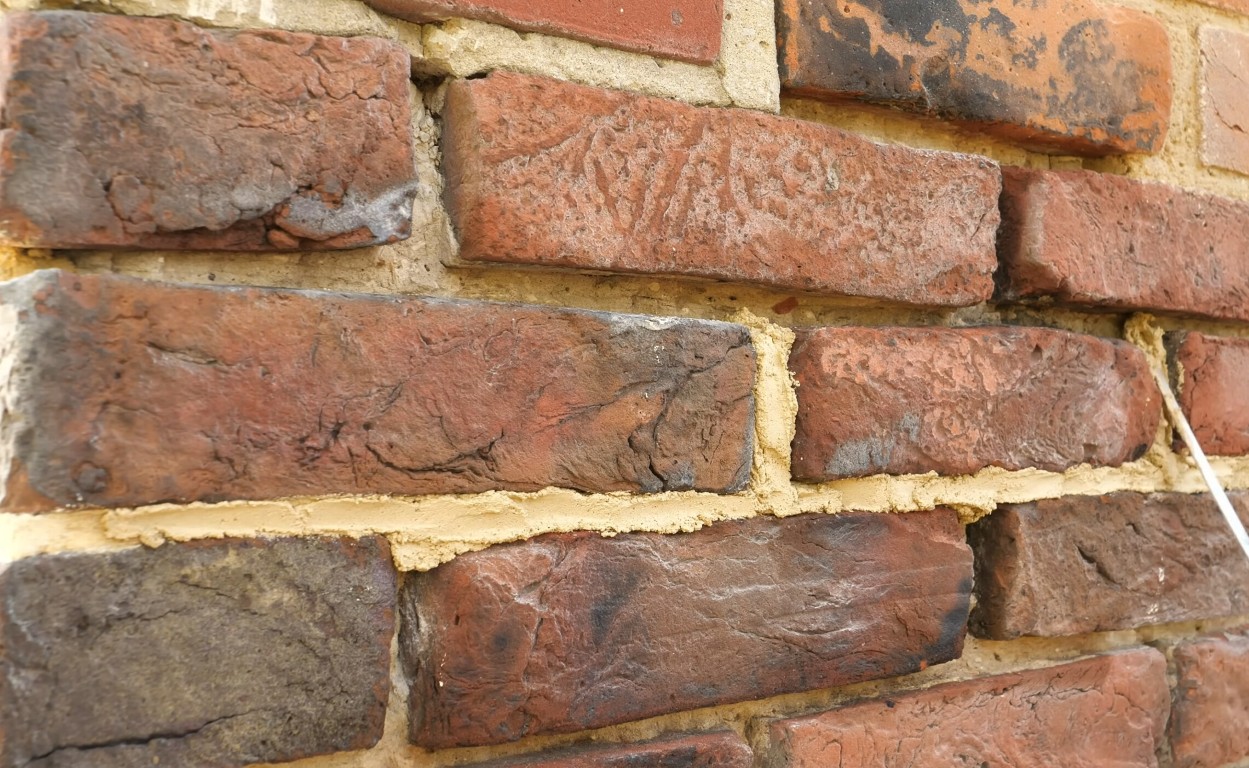
Many homeowners use the terms tuckpointing and repointing interchangeably, and while they are closely related, there is a technical difference. Repointing is the process of removing deteriorated mortar from the joints between bricks and replacing it with fresh mortar. Tuckpointing refers to a specific finishing technique where two colors of mortar are used to create the appearance of very fine joints. For most residential projects in Roseville, what you need is repointing, though the term tuckpointing has become the common way people describe any mortar repair work.
The mortar between your bricks serves a crucial structural purpose. It holds the individual bricks in place and creates a weather barrier that keeps water out of your walls. Over time, exposure to rain, freeze-thaw cycles, and general weathering causes mortar to deteriorate. You might notice it crumbling when you touch it, or see gaps forming between bricks. This deterioration happens faster in areas with poor drainage or on walls that face harsh weather conditions.
When mortar fails, water gets behind your brick veneer and causes serious problems. It can damage the wood framing behind the bricks, create mold growth, and even compromise the structural stability of your walls. What starts as cosmetic deterioration quickly becomes a major repair issue if left unaddressed. Professional repointing fixes the problem before water damage spreads and protects your home for decades to come.
Why Proper Mortar Replacement Matters
The Right Mix Makes All the Difference
Not all mortar is created equal, and using the wrong mix can cause more harm than good. Historic homes often have soft lime mortars that need to be matched with similar materials. Modern homes typically use harder Portland cement mortars. When inexperienced contractors use mortar that is too hard for the existing bricks, it causes the bricks themselves to crack and spall because the mortar does not allow for any movement or moisture transfer.
At RV Roseville Masonry, we test your existing mortar to understand its composition before we start any repointing work. This lets us mix new mortar that matches the strength, color, and permeability of your original mortar. Getting this right is not just about making repairs look good. It is about ensuring that your brickwork functions properly as a complete system where mortar and brick work together to shed water and handle thermal expansion.
We also pay attention to mortar joint depth, tooling technique, and curing conditions. Mortar needs to be installed to the correct depth to provide adequate weather protection. It needs to be tooled to match your existing joint profile, whether that is concave, flush, or weathered. And it needs proper time to cure without drying too quickly, which can cause weak spots that fail prematurely. These technical details separate quality repointing work from quick patch jobs that fall apart in a few years.
Our Tuckpointing Process
How We Restore Your Mortar Joints
Professional repointing starts with careful removal of deteriorated mortar. We use specialized grinders and hand tools to cut out damaged mortar to a depth of at least three-quarters of an inch without damaging the surrounding bricks. This depth is important because shallow repointing does not provide enough mechanical bond to hold properly. We clean out all dust and debris from the joints and dampen them before applying new mortar.
The new mortar goes in using specific techniques that ensure good adhesion and proper density. We pack it tightly into the joints in layers, allowing each layer to set up before adding more. This prevents voids that can trap water and cause freeze damage. Once the mortar reaches the right firmness, we tool it to match your existing joint profile and create proper drainage angles that shed water away from the wall.
Here is what you can expect during a typical repointing project:
- Initial assessment to determine extent of mortar deterioration
- Mortar testing and color matching to your existing joints
- Careful removal of damaged mortar without harming bricks
- Joint cleaning and preparation for new mortar
- Application of properly mixed mortar in controlled layers
- Tooling and finishing to match original joint appearance
- Controlled curing with protection from sun and rain
- Final cleaning to remove any mortar residue from brick faces
Depending on the size of your project, repointing can take anywhere from a few days to a couple of weeks. We work section by section, completing each area properly before moving on. This approach ensures consistent results and gives mortar adequate time to cure before we clean the finished work. Whether you need brick repair or complete wall repointing, we follow proven methods that deliver lasting results.
Frequently Asked Questions
Need Mortar Repair?
Get a free assessment of your brick mortar condition and a detailed quote.
Call (279) 235-1766