Loading...
Serving Roseville, CA and surrounding areas. (279) 235-1766
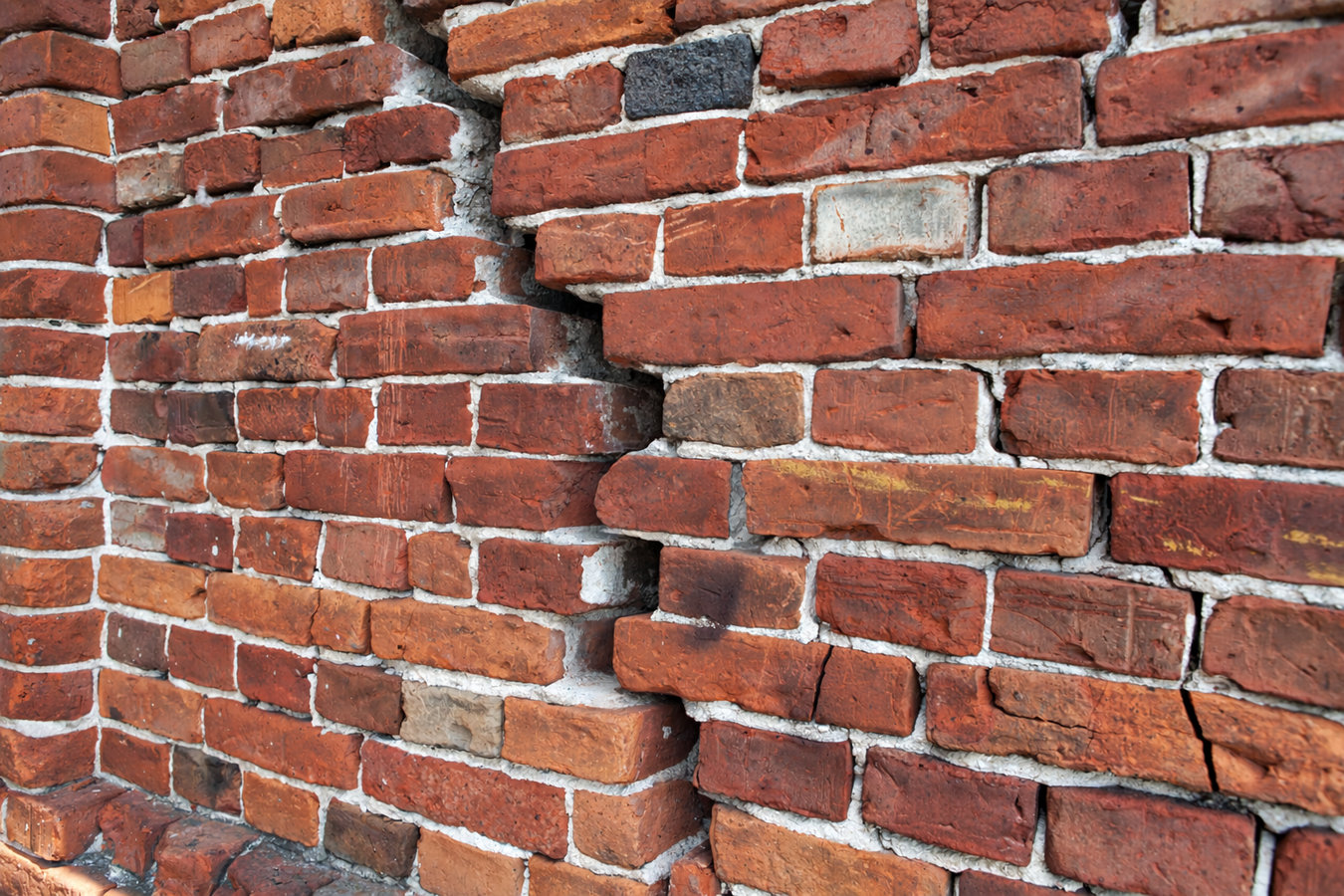
Cracked bricks and failing mortar let water into your walls every wet season. We find what is wrong, fix it properly, and make sure the repair blends with your existing masonry.
Brick repair in Roseville, CA targets specific problem areas - replacing cracked or spalling bricks, repointing worn mortar joints, or stabilizing sections that have shifted - without touching the work that is still solid, and most residential jobs wrap up in one to three days.
The mortar between your bricks is designed to fail before the bricks do. It is the sacrificial layer that absorbs moisture and movement so the brick face stays intact. When it cracks and pulls away, water gets in fast - and in Roseville's climate, where hot dry summers are followed by months of rain, that water does real damage quickly. Catching the problem while it is still a mortar issue keeps it from becoming a brick replacement or structural job that costs several times more.
If your mortar joints are the main concern rather than the bricks themselves, take a look at our tuckpointing service. And if your masonry project involves hardscape around the home, we also handle driveway pavers for homeowners who want to address multiple surfaces at once.
Run your hand along the mortar joints on your chimney, front wall, or garden border. If the material feels soft, crumbles when you press it, or has pulled away from the brick face, the mortar has reached the end of its life. In Roseville's climate, this kind of wear tends to show up first on south- and west-facing walls that take the most summer sun.
Roseville's seasonal swings - months of rain followed by months of intense heat - put real stress on brick and mortar. If you notice new cracks appearing in spring after a rainy winter, or in fall after a long dry summer, that is soil movement and temperature cycling doing its work. Small cracks caught early are a straightforward repair; left alone through another season, they tend to get bigger.
That white powdery film is called efflorescence, and it means water has been moving through your brick wall and leaving mineral deposits behind as it dries. It is your wall telling you moisture is getting in somewhere. In Roseville, this often shows up after the first heavy rains of the season on walls where mortar joints have started to fail.
When the surface of a brick starts to peel or flake in thin layers, water has gotten deep into the brick and the repeated wetting and drying cycle has broken down the face. While Roseville does not get hard freezes often, the wet winters followed by rapid spring drying can produce a similar effect over time. A mason can tell you whether the brick itself needs replacing or the damage is surface-only.
We start every brick repair job with an in-person assessment - no guessing from photos. We check the mortar joints, look for signs of water damage or soil movement, and assess how many bricks actually need to be replaced. Most homeowners are surprised to find the damage is more contained than it looks from the outside. Depending on what we find, we may repoint failing mortar joints, replace individual cracked or spalling bricks, or address chimney crowns that are cracked and letting water down the flue. When the mortar is the primary issue across a larger area, we coordinate that work alongside our tuckpointing service so you are not scheduling two separate visits.
Color matching is part of every job. A repair that looks obviously patched - bright new mortar against aged brick - is a sign of rushed work. We take the time to select a mortar mix that comes as close as possible to what is already there, and we can run a cured sample for your approval before starting the full repair. For homeowners who also want to update their outdoor hardscape, we offer driveway pavers and can often coordinate both scopes of work on the same visit.
The most common brick repair job - right for homes where mortar has deteriorated but the bricks themselves are still sound and do not need replacing.
Best when specific bricks are cracked, spalling, or have shifted out of alignment and cannot be left in place without compromising the wall.
Suited for homeowners whose chimney crown is cracked or missing pieces, allowing water to enter the flue and saturate the surrounding brick.
A good fit when white staining signals ongoing moisture intrusion that needs to be sourced and addressed before it causes deeper damage to brick or mortar.
Roseville grew rapidly during the 1990s and early 2000s, and a large share of homes from that era used brick on chimneys, front facades, entryways, and garden walls. That brick is now 20 to 35 years old - right around the age when original mortar joints start to show real wear. Roseville's climate makes it worse: temperatures above 100 degrees are common from June through September, which dries and shrinks mortar, and then November through March brings consistent rain that gets into every crack. Homeowners in Citrus Heights and Folsom face the same combination of aging brick and punishing climate cycles, and we serve all of them.
The clay-heavy soils under much of Roseville and Placer County add another layer. That soil expands when it absorbs winter rain and contracts in summer heat - a cycle that creates subtle movement in walls, chimneys, and garden borders even when the home itself is well maintained. If you have had a repair done and the cracks have come back in the same spots, that soil movement is the likely cause. A mason who understands local geology will address the pattern, not just patch the crack.
When you reach out, we will ask a few questions before quoting anything: where is the damage, how long has it been there, is it a chimney or a wall. This helps us figure out whether we need to see it in person before giving you a number. Most homeowners hear back within one business day.
A mason comes out, checks the mortar joints, looks for signs of water damage or soil movement, and assesses how many bricks actually need work. After the visit you receive a written estimate covering scope, materials, and total cost - this visit is typically free, and there is no pressure to sign on the spot.
The crew sets up, protects your landscaping with tarps, and gets to work - removing damaged material, packing in fresh mortar, or resetting bricks as needed. Most residential jobs wrap up in a single day. Before they leave, we walk you through exactly what was done so you can see the result firsthand.
Fresh mortar needs to stay dry for at least 24 to 48 hours and reaches full strength over the following month. Avoid pressure-washing or scrubbing the repaired area for at least 30 days. In Roseville's dry summers this is rarely an issue; in winter, we time jobs around the weather forecast to protect the cure.
Free assessment, written price, no obligation. We will tell you honestly what needs attention and what can wait.
California law requires a valid contractor license for any job over $500. You can look up our license - and any other contractor's - on the California Contractors State License Board website in about a minute. If a contractor cannot give you a license number, you have no legal protection if the work fails.
The clay-heavy soils in Placer County expand and contract with the seasons, and a mason who does not account for that movement will use the wrong mortar mix - one that cracks again within a few years. We select materials and techniques based on your specific site, not a one-size-fits-all approach.
We follow installation and repair methods documented by the Brick Industry Association, the national trade body for masonry. That means joint depths, mortar selection, and curing practices are based on tested standards - not guesswork or shortcuts.
A lot of Roseville homeowners have been burned by contractors who quote one number and invoice another. We give you a written estimate that covers everything, and we do not add charges after the fact unless you ask us to do something outside the original scope. What you sign is what you pay.
Licensing, soil knowledge, industry standards, and price transparency - those four things together are how we deliver repairs that do not need to be redone. Give us a call and we will walk you through exactly what your home needs.
Update your driveway or outdoor hardscape while addressing your brick repair - we can often coordinate both projects on the same visit.
Learn MoreWhen the mortar joints are the primary issue and the bricks themselves are still solid, tuckpointing is the targeted repair that gets the job done.
Learn MoreWe work around the rainy season - book now to lock in a dry-weather window before the winter rains arrive and the damage gets worse.