Loading...
Serving Roseville, CA and surrounding areas. (279) 235-1766
Your Sacramento home deserves masonry work that holds up through hot summers, wet winters, and the soil movement that comes with both. We show up, assess the problem honestly, and fix it right.
RV Roseville Masonry is a licensed masonry contractor serving Sacramento, CA, with expertise in foundation repair, chimney work, tuckpointing, and concrete flatwork. We have worked on homes throughout the city and respond to new inquiries within one business day.
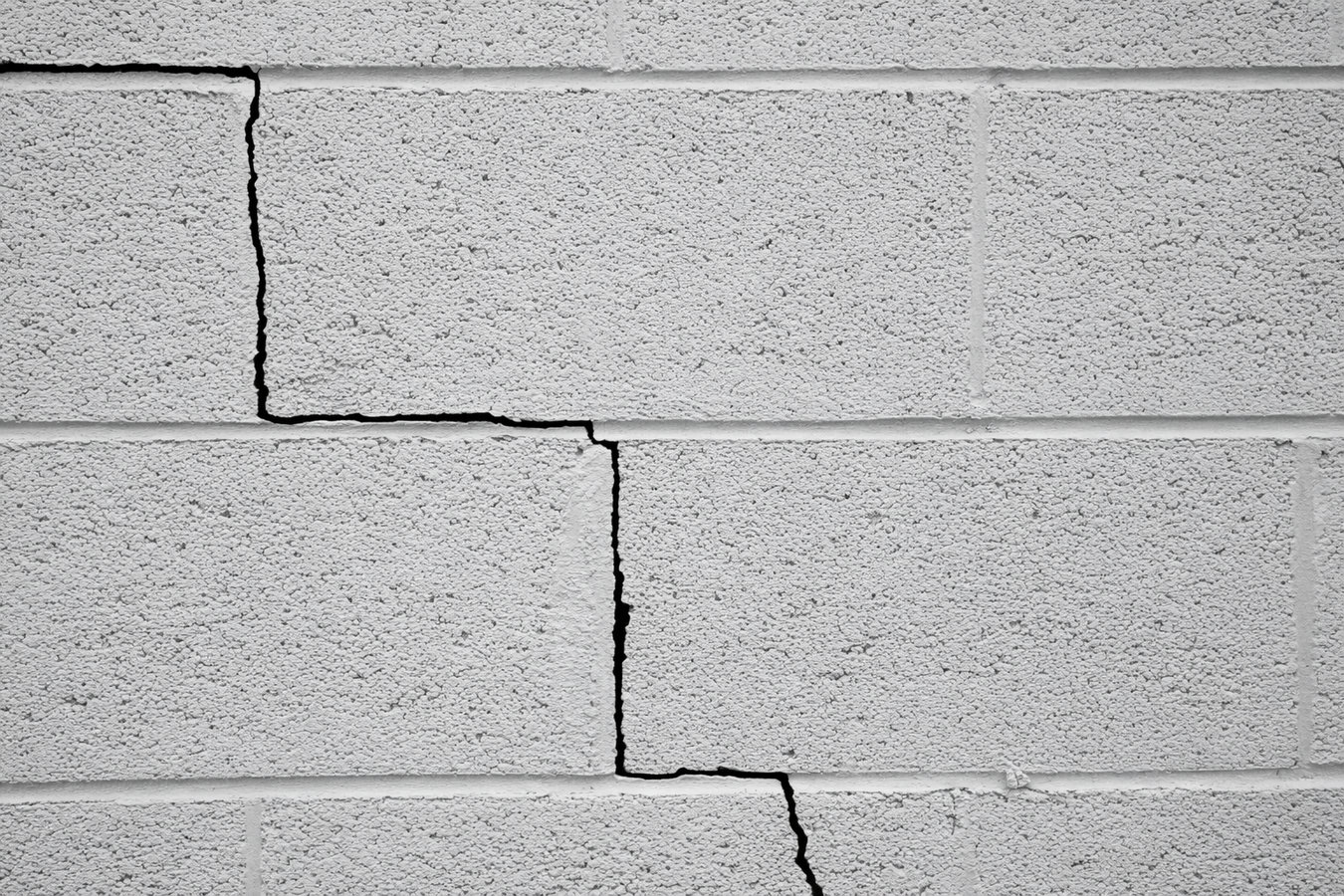
Sacramento sits on Sacramento Valley clay soil that expands in winter rain and contracts in summer heat, putting constant stress on slab and pier-and-beam foundations. If you are seeing diagonal cracks at door corners or sticking windows, foundation repair is usually the right first call.
Sacramento homeowners with older fireplaces, especially in Midtown and East Sacramento Craftsman bungalows built in the 1920s and 1930s, often have chimneys with deteriorated mortar, cracked crowns, and failing flashing. Catching these problems before the winter rainy season prevents water damage that reaches all the way to the firebox.
Many of Sacramento's Victorian-era and Craftsman-era homes have original brick and mortar that has been slowly absorbing the city's wet winters for decades. Tuckpointing - removing the failing mortar and replacing it with fresh material - stops water intrusion and adds decades of life to the original brick without a full rebuild.
Older Sacramento homes in neighborhoods like Boulevard Park and Land Park frequently have brick planters, walkway borders, and garden walls that have cracked or shifted as the ground moved underneath them. Targeted brick repair restores both the appearance and the structural function of these features without replacing the entire installation.
Sacramento's clay soil is one of the main reasons driveways, patios, and walkways crack and lift over time - and once a slab starts moving, it tends to get worse with each wet-dry cycle. Replacing damaged concrete flatwork and installing proper edge detailing and drainage helps break the cycle for good.
Properties in the hills on Sacramento's eastern edge and along the American River bluffs often need retaining walls to manage the grade change between street and yard. A properly drained and reinforced retaining wall is especially important here because the clay soil exerts high lateral pressure when saturated by winter rain.
Sacramento sits in the middle of a broad, flat valley where the temperature swings from below freezing on the coldest winter nights to above 100 degrees Fahrenheit in peak summer. That range is punishing for masonry. Mortar joints that absorb winter moisture and then bake under summer heat go through constant expansion and contraction cycles - and those cycles are what cause cracks to open up even in well-built walls. Clay soil underneath intensifies the problem. Sacramento Valley clay swells when it absorbs rainfall and then contracts as it dries, and that ground movement is transmitted directly into any concrete, block, or brick structure sitting on or in it. The result is that driveways, patios, walkways, and foundation slabs in Sacramento crack at a higher rate than in areas with stable sandy or loamy soils.
The city's housing stock adds another layer of complexity. More than half of Sacramento's homes were built before 1980, and a significant share date back to the 1940s, 1930s, and earlier. Craftsman bungalows in Midtown and East Sacramento often have original brick foundations or pier-and-beam systems that have never been inspected. Postwar ranch homes in Curtis Park and Land Park typically sit on concrete slabs that are now 60 or more years old. Newer tract homes in Natomas, built in the 1990s and 2000s, are hitting the age where sealants, grout, and exterior coatings need their first real attention. A masonry contractor who works in Sacramento needs to be comfortable with all of these conditions - not just the easy jobs on brand-new construction.
Our crew works throughout Sacramento regularly, and we understand the local conditions that affect masonry work here. When we pull permits for structural work in the city, we work with the City of Sacramento Community Development Department and are familiar with the submittal process and typical review timelines for residential masonry and foundation repair projects.
Sacramento is a city of distinct neighborhoods, and each one tends to have its own pattern of masonry issues. East Sacramento and Midtown have some of the oldest homes in the region, many of which have original brick or mortar that has never been properly maintained. The newer neighborhoods in Natomas sit on fill soil that can shift more than the native clay in other parts of the city. The homes along the American River bluffs in areas like East Portal Park face water management challenges that most suburban masonry jobs do not. Knowing which neighborhood we are working in changes how we approach the assessment and what we recommend.
We also serve homeowners in nearby Rancho Cordova and Citrus Heights, so if your family or neighbors in those areas need masonry work done, we cover that ground too.
You can call us directly or use the estimate form on this page. We respond to all Sacramento inquiries within one business day - usually the same afternoon if you reach out before noon.
We schedule a visit to the property, look at the actual condition of the masonry, and put together a written estimate. There is no charge for the assessment, and the estimate includes whether a City of Sacramento permit is required.
If your project needs a permit, we handle the application with the city before scheduling the crew. Work does not start until all required approvals are in place, which protects you from inspection problems down the road.
The crew does the work, cleans up the site, and walks you through what was done before leaving. If the job required an inspection, we coordinate that too so you are not left chasing the city on your own.
We serve homeowners throughout Sacramento - from Midtown and East Sacramento to Natomas and Curtis Park. Free on-site assessment, written estimate, no pressure.
Sacramento is California's state capital and one of the oldest cities in the state, with a population of around 524,000 people. The city sits at the confluence of the Sacramento and American Rivers in the middle of a broad, flat valley - a location that has shaped both its history and its soil conditions. Old Sacramento along the waterfront is one of the most recognized historic districts in California, with Gold Rush-era buildings that have been standing since the mid-1800s. Beyond the downtown core, the city spreads into distinct residential neighborhoods each with its own character: East Sacramento and Midtown with their tree-lined streets and Craftsman bungalows, Land Park and Curtis Park with their mid-century ranch homes, and Natomas to the north with its newer two-story subdivisions.
About 47 percent of Sacramento's housing units are owner-occupied, and a large share of those homes are older - many built during the postwar boom years of the 1950s and 1960s, and a significant number dating back to the early 20th century. That mix of older housing and active ownership is a big part of what keeps masonry contractors busy here. Homeowners in places like Midtown and East Sacramento take pride in maintaining their older properties, and that means regular work on foundations, chimneys, brick planters, and hardscaping that was original to the house. We are proud to serve homeowners across the city, and we also work in nearby communities including Elk Grove and Folsom.
Build retaining walls that control erosion and beautify your property.
Learn MoreElevate your home's appearance with natural or manufactured stone veneer.
Learn MoreInstall solid foundation block walls built to code and engineered to last.
Learn MoreCreate a custom outdoor kitchen built with premium masonry craftsmanship.
Learn MoreDesign and build stone or paver walkways that welcome guests in style.
Learn MoreCraft custom stonework that combines natural beauty with structural durability.
Learn MoreWhether you are dealing with foundation cracks, a deteriorating chimney, or crumbling concrete flatwork, now is a good time to get it looked at before winter rain makes it worse.