Loading...
Serving Roseville, CA and surrounding areas. (279) 235-1766
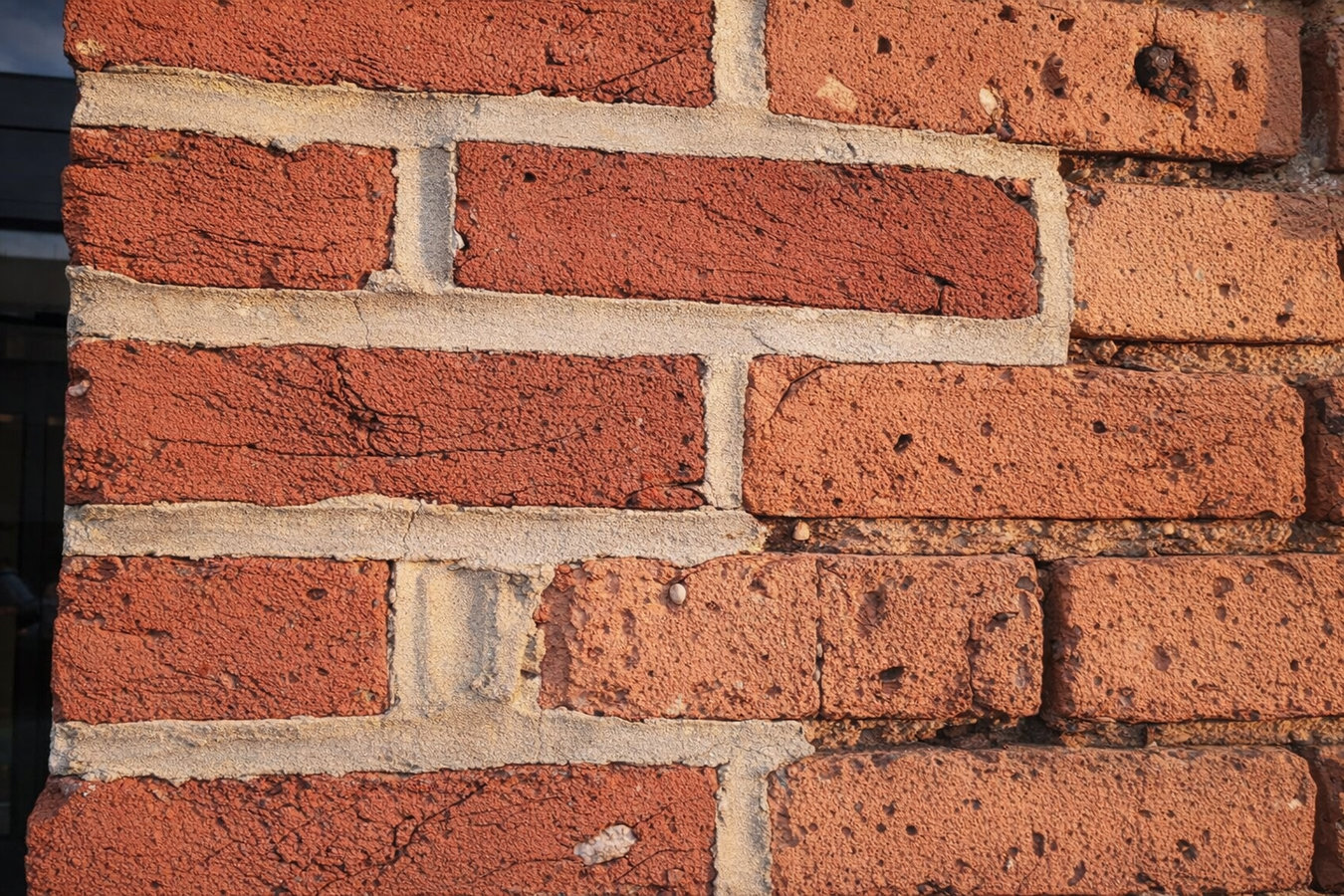
Crumbling mortar and cracked brick get worse every rainy season. We repair, repoint, and stabilize masonry so your walls, chimney, and retaining structures hold up for decades.
Masonry restoration in Roseville covers repairing, repointing, and stabilizing brick, stone, and concrete block surfaces damaged by age, water, or shifting ground - most residential projects take one to five days and cost far less than waiting until a wall or chimney needs full replacement.
A large share of Roseville homes were built between the 1980s and 2000s, and the brick chimneys, decorative masonry accents, and concrete block retaining walls from that era are now old enough to need real attention. Mortar joints typically last 20 to 30 years before erosion allows water behind the surface - and once water gets in and starts freezing and thawing in winter, the damage accelerates fast. If you have noticed crumbling joints, white staining on brick, or a retaining wall that does not look as straight as it used to, it is worth getting an eye on it before the next rainy season. Work like this often pairs naturally with stone masonry when the goal is restoring and upgrading the entire exterior at once.
The goal of restoration work is to save as much original material as possible while making the structure sound and weather-tight again. A good contractor works slowly and carefully, matching new mortar to what was already there in hardness, color, and texture - so the repair holds up and looks right.
Run your finger along the joints on your chimney, retaining wall, or exterior facade. If the mortar feels soft, crumbles easily, or has gaps you can push a key into, it is past due for attention. Roseville's combination of summer heat and winter rain accelerates this kind of wear - joints that looked fine a few years ago can deteriorate faster than most homeowners expect.
That chalky residue on masonry surfaces is called efflorescence - mineral salt left behind when water moves through the wall and evaporates on the surface. It signals that water is traveling through your masonry in a way it should not be. In Roseville, it often appears after the first heavy winter rains and is worth addressing before the next rainy season.
Diagonal cracks running from the corners of openings in a masonry or stucco wall often mean the structure has shifted slightly - sometimes because of the clay-rich soils in parts of Roseville that expand and contract with moisture changes. Cracks wider than a pencil line or that appear to be growing deserve a professional assessment sooner rather than later.
A retaining wall starting to lean away from the slope it holds back is telling you the pressure behind it is winning. If you notice a wall that used to look straight now has a visible bow or tilt, or if you see horizontal cracks running the length of the wall, get a contractor to assess it before the next rainy season adds more weight and pressure to the problem.
Our most common masonry restoration work includes repointing eroded mortar joints on chimneys and exterior walls, repairing retaining walls showing cracks or early movement, and addressing chimney crowns and spalling brick before water damage works deeper into the structure. If a damaged chimney also needs a full rebuild of the firebox, we pair restoration with fireplace installation so everything is handled in a single visit with a single contractor.
For walls with active water migration and mineral staining, we clean the surface and apply a breathable water repellent sealer matched to your masonry type. For homes where the goal is a broader exterior upgrade, restoration work on existing masonry blends cleanly with new stone masonry accents - columns, caps, or accent walls that tie the finished look together.
Best for homeowners with chimneys, facades, or accent walls where mortar joints have eroded but the bricks themselves are still sound.
Suited for walls showing cracks, leaning, or drainage failure before seasonal soil movement turns a repair into a full rebuild.
Covers crown repair, spalling brick replacement, and repointing for chimneys showing weather damage or water infiltration.
For surfaces with mineral staining and active water migration, cleaned and sealed with a breathable repellent matched to the masonry type.
Roseville sits in a Mediterranean climate - long, hot, dry summers followed by concentrated winter rainfall from November through March. That wet-dry cycle is one of the harshest conditions masonry can face. Heat expands the material in summer, cold contracts it in winter, and the rainy season drives water into any gap that has opened up over the season. For homes built in the 1980s through 2000s - a period that accounts for most of Roseville's housing stock - mortar joints are now old enough that many are past the point where sealing alone is enough. The soils under much of the area also have a significant clay content that swells when wet and shrinks when dry, putting additional seasonal stress on retaining walls, foundations, and any masonry structure close to grade. We work with homeowners across Rocklin and Lincoln as well, where the same clay soil and climate patterns create the same restoration needs.
The best time to schedule masonry restoration in Roseville is late spring or early fall - after the rainy season ends and before the next one begins. New mortar needs moderate temperatures and dry conditions to cure correctly. Scheduling in that window means the repair material sets at the right pace and is fully hardened before the first winter rains test it. Homeowners in HOA communities should also note that many planned neighborhoods in Roseville require exterior approval before visible masonry work begins - a step we help you navigate as part of the project. Learn more from the Brick Industry Association about masonry standards that protect your investment long-term.
Describe what you are seeing - crumbling mortar, staining, cracks, or a leaning wall. We respond within 1 business day and schedule a free on-site estimate at no cost or obligation.
We walk the damaged area, identify the cause behind what you are seeing, and give you a written estimate that breaks down labor, materials, and whether a permit is needed - before you commit to anything.
If the project involves structural elements, we handle the permit application with the City of Roseville's Building Division. We give you a confirmed start date once permits are in hand.
We remove damaged material, match the new mortar or patching compound to your existing masonry, and work methodically so joints are tight and blended. We walk the finished work with you before the crew leaves.
Free written estimate, no pressure. We respond within 1 business day.
Mortar that is too hard for older brick causes more damage than it fixes. We identify your existing mortar type before selecting a replacement so the new material holds without stressing the surrounding bricks - a detail many contractors skip.
We schedule restoration work in the windows when Roseville's climate cooperates - late spring and early fall - so new mortar cures at the right pace and holds up through the first winter rains without issue.
For structural masonry projects, we pull permits through the City of Roseville and schedule required inspections. Permitted work protects your investment and avoids the complications unpermitted repairs create at resale.
We follow material and technique guidance from the Brick Industry Association, the leading trade body for masonry professionals in the U.S. That means the right mortar type for your wall, not whatever is easiest to mix.
Masonry restoration is detail work - the difference between a repair that lasts 25 years and one that fails in two comes down to material selection, surface preparation, and timing. We take all three seriously, and we have the permits and inspection record to back it up.
Add or upgrade a fireplace while your masonry contractor is already on site - gas inserts, full builds, and permit handling included.
Learn MoreNatural stone work for walls, columns, and accent features that pairs well with a restored masonry exterior.
Learn MoreRoseville's wet season starts in November - schedule your free estimate now and go into winter knowing your walls, chimney, and retaining structures are tight.