Loading...
Serving Roseville, CA and surrounding areas. (279) 235-1766
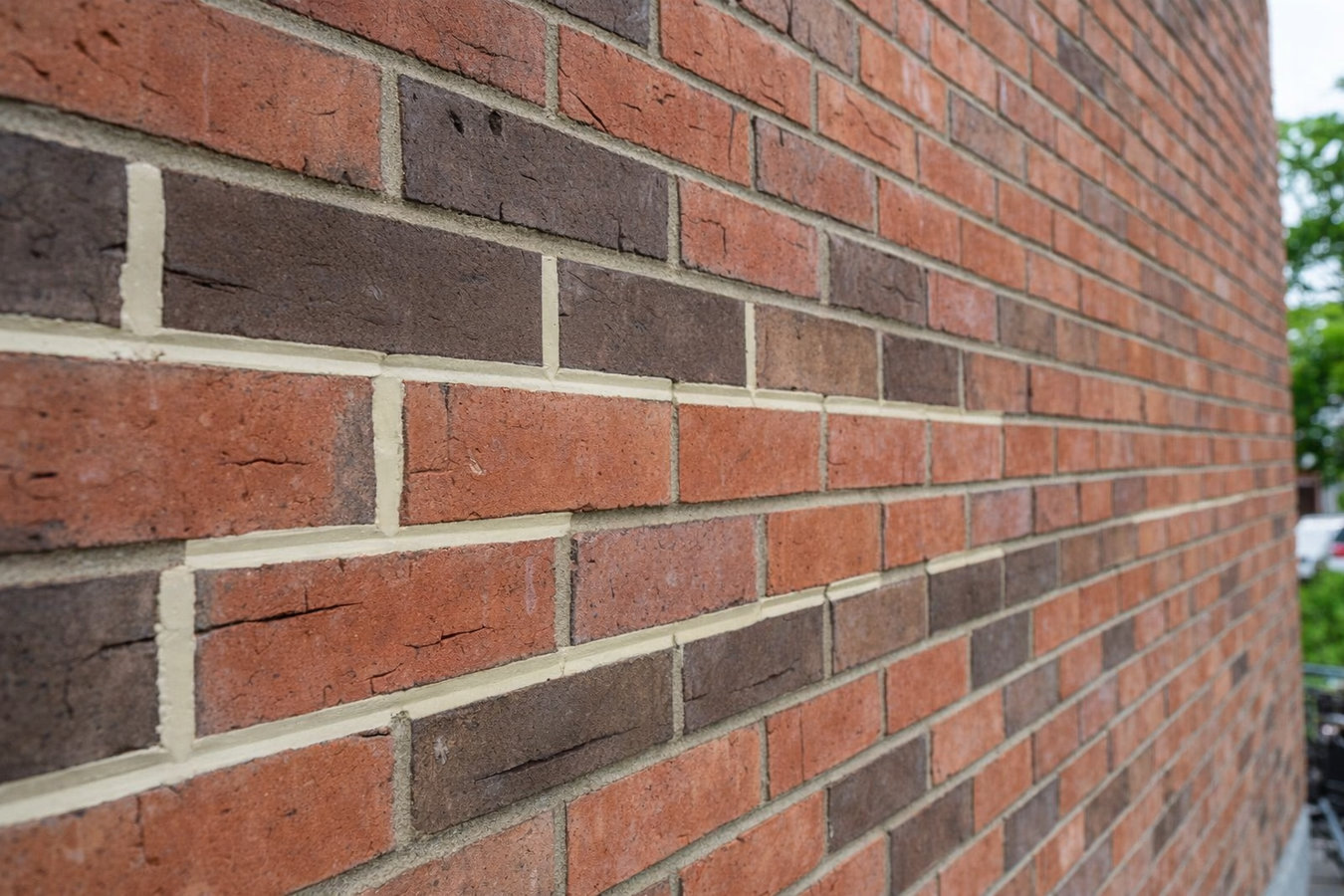
Crumbling mortar lets water behind your walls every time it rains. We grind out the old material and pack in fresh mortar so your brickwork is solid and watertight again.
Tuckpointing in Roseville, CA means grinding out old and crumbling mortar between bricks and packing fresh mortar back in to seal the wall against water and restore structural integrity, with most chimney and single-wall jobs completed in one to two days.
Mortar is designed to wear out before the bricks do - it acts as a sacrificial layer that absorbs moisture and movement so the bricks themselves stay solid. Most mortar has a lifespan of 25 to 30 years, and Roseville's combination of 100-degree summers and wet winters shortens that timeline. If your home was built before 2000 and has any brick or stone features, there is a good chance the mortar joints are ready for attention.
If you have already noticed mortar problems, you may also want to look at brick repair for any bricks that have cracked or shifted, or consider brick pointing for detailed finish work on decorative masonry.
Press your thumb firmly against the mortar between your bricks. If it crumbles, flakes, or feels soft and sandy rather than hard, the mortar has broken down and is no longer holding the wall together or keeping water out. This is the clearest sign tuckpointing is needed and the most common thing we find on Roseville homes over 20 years old.
Stand back and look at your chimney or brick wall from a distance. Dark gaps, holes, or sections where mortar has fallen out entirely mean water is already getting into those openings. In Roseville, where the rainy season runs from November through March, open joints allow water in every time it rains - and that water accelerates damage fast.
A chalky white residue on your brick surface - called efflorescence - means water has been moving through the wall and carrying mineral salts to the surface as it dries. It signals that moisture is getting in somewhere, and failing mortar joints are the most common entry point. In Roseville's climate, where summer heat dries mortar and winter rain follows, this pattern shows up often on homes over 15 years old.
Cracks that run diagonally along the mortar lines - following a stair-step pattern between bricks - are a classic sign of mortar failure. These are especially common in Roseville homes built on expansive soils, where seasonal ground movement puts stress on masonry. These cracks will not close themselves and will widen over time if left alone through another wet season.
Every tuckpointing project starts with an in-person assessment. We look at the mortar joints closely, probe the depth of deterioration, and check whether any bricks have shifted before recommending a scope of work. For chimney and roofline work we bring our own ladders and scaffolding - you do not need to arrange anything. Once we know what we are dealing with, we grind out the old material, mix mortar matched to your existing joints, and pack it in by hand. We also handle brick repair when individual bricks are cracked or loose and need to be reset or replaced alongside the mortar work.
For homes with decorative masonry or older stonework where the finish profile matters, we offer brick pointing as a specialized finishing service. This is particularly relevant for Roseville homeowners in HOA communities where the mortar color and joint profile are subject to design review.
Best for homeowners with brick chimneys that have taken heavy weather exposure and show crumbling or missing mortar near the roofline.
Right for homes where brick veneer or exterior masonry walls show widespread joint deterioration from age or weather cycling.
Suited for homeowners with localized damage - a section of a wall or a specific area of a chimney - where most of the surrounding mortar is still sound.
A good fit for Roseville homeowners in planned communities where mortar color and joint profile must meet HOA appearance standards before the repair is approved.
Roseville sits in the Sacramento Valley foothills and regularly sees summer temperatures above 100 degrees. That sustained heat causes mortar to dry out and develop hairline cracks over many seasons. Then, from November through March, those same cracked joints get soaked by rain - and when overnight temperatures dip into the 30s, water trapped in those cracks can freeze and expand, widening the damage. It is a cycle that is particularly hard on chimneys and any masonry on south- and west-facing walls. Homeowners in nearby Rocklin and Lincoln face the same climate conditions, and we bring the same approach to every job across the region.
Parts of Roseville and Placer County also sit on expansive soils that swell when wet and shrink when dry. That seasonal ground movement stresses mortar joints even on relatively newer homes - which is why we sometimes find tuckpointing needs on 15-year-old homes in West Roseville just as often as on older homes near historic downtown. If your neighborhood has an active HOA, as many planned communities in Roseville do, we source mortar mixes carefully and can provide a cured sample for approval before starting the full job.
We will ask a few quick questions - what surface needs work, roughly how large the area is, and what you have noticed. Most homeowners hear back within one business day, and we schedule an in-person visit before quoting anything.
A mason walks your wall or chimney, probes the joints to check how deep the damage goes, and explains what they find in plain terms. You leave the visit with a written estimate covering scope, materials, and timeline - no pressure to sign on the spot.
The crew grinds out the old mortar, mixes a color-matched batch, and presses it into each joint by hand. Keep windows on the work side closed during the grinding phase. At the end, we walk you through the finished joints so you can see the result before we leave.
Fresh mortar needs 24 to 48 hours before it can get wet and about 28 days to reach full strength. Hold off on spraying water on the area or applying any sealers for at least a month. In Roseville's dry summer months, we may advise light misting to help the mortar cure evenly.
Free estimate, written quote, no obligation. Most homeowners hear back within one business day.
California requires any contractor doing work valued at $500 or more to hold a valid state license. You can verify any contractor's license on the CSLB website in seconds. A licensed contractor gives you legal recourse if anything goes wrong - an unlicensed one does not.
We work in the Sacramento foothills year-round, which means we know which mortar mixes hold up to 100-degree summers and which ones crack when the wet season arrives. Choosing the right mortar for this climate - not just any mortar - is what makes repairs last 20 to 30 years instead of failing in five.
Many Roseville communities - including parts of West Park and Fiddyment Farm - have HOA rules about exterior masonry appearance. We source mortar to match your existing joints and can provide a cured sample for HOA review before the full job starts, so you avoid a compliance issue after the work is done.
Every project starts with a written estimate that spells out what will be done and what it will cost. We do not add charges after the fact unless you ask us to expand the scope. The price you agree to is the price on your invoice - no surprises.
These four things - licensing, climate knowledge, HOA experience, and price transparency - are what separate a repair that lasts from one that needs redoing. Call us and we will prove it with a straight answer and a fair estimate.
When bricks themselves are cracked, spalling, or have shifted out of place, brick repair addresses what tuckpointing alone cannot fix.
Learn MorePrecision finish work on mortar joints for decorative masonry, detailed stonework, or HOA-sensitive surfaces where appearance is closely reviewed.
Learn MoreSpots fill up fast before the rainy season - lock in your date now and get your masonry sealed before November arrives.