Loading...
Serving Roseville, CA and surrounding areas. (279) 235-1766
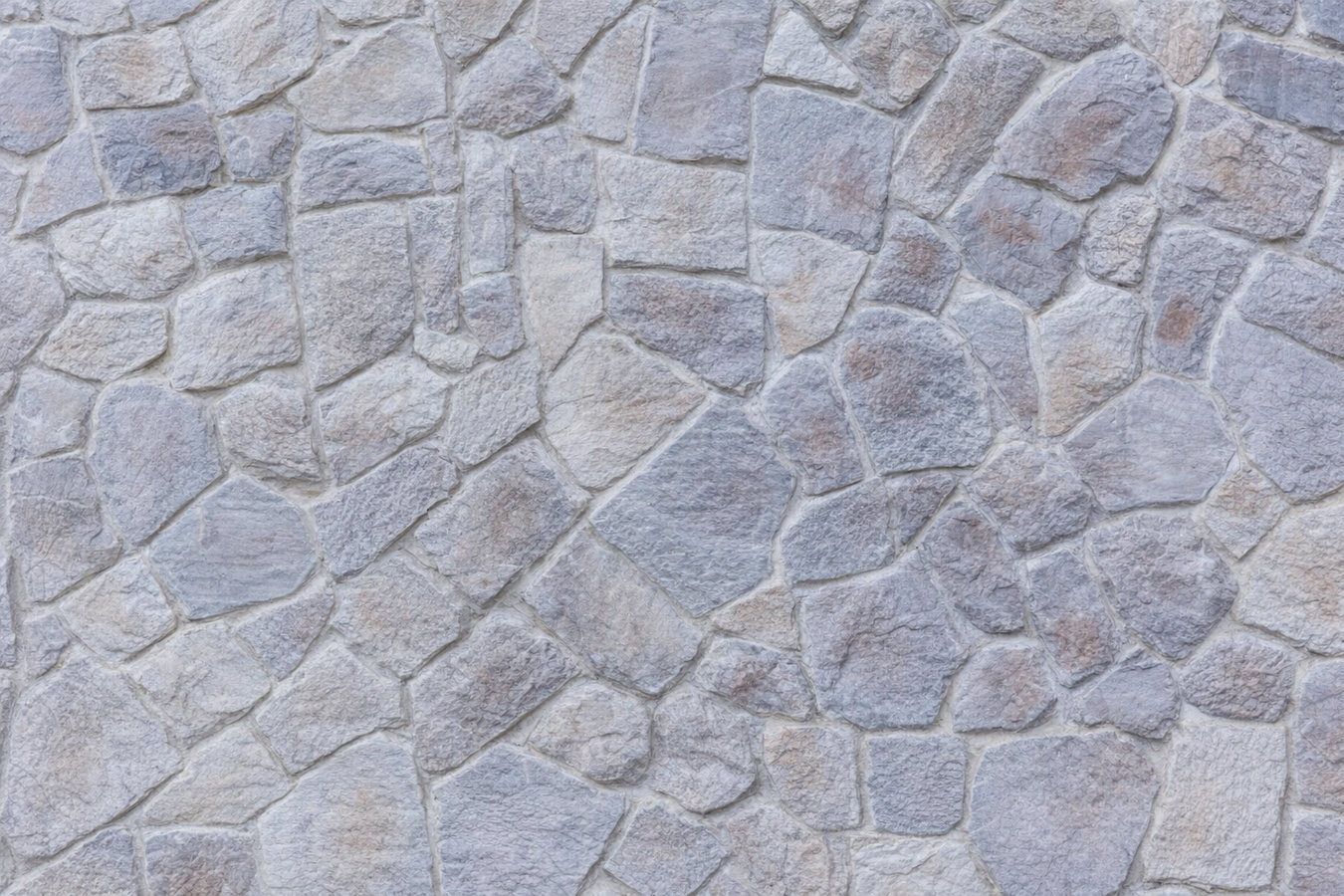
Patios, retaining walls, and garden features that stay level and solid through Roseville winters, triple-digit summers, and clay soil that shifts every season.
Stone masonry in Roseville means setting individual stones by hand using mortar, with a concrete footing or compacted gravel base prepared first to keep the work stable - most jobs range from a single day for a small garden wall to two weeks for a large patio or retaining feature.
Most homeowners in Roseville come to us with one of two situations: something existing that has cracked or shifted because the original base did not account for local clay soil, or a new project they want done right the first time. Either way, what happens underground before the first stone goes down is what determines whether the work lasts five years or fifty. If your project also involves brick features nearby, our brick pointing service can address those at the same time, and we can scope everything together so your yard is only disrupted once.
Small hairline cracks in mortar joints are normal over time. Cracks wider than a pencil tip, or ones running diagonally through the stones themselves, mean the structure has moved or settled. In Roseville, this often traces back to clay soil expanding and contracting through wet winters and dry summers. Left alone, water works into those gaps and the damage gets worse each season.
If you can feel individual stones rocking underfoot, or if sections of your patio have dropped lower than others, the base underneath has shifted. This is common in Roseville neighborhoods where clay soils were not properly accounted for during the original install. Uneven surfaces are also a trip hazard, so this is one sign that is worth addressing sooner rather than later.
That white residue - called efflorescence - appears when water moves through your masonry and carries minerals to the surface as it evaporates. It is a reliable sign that moisture is getting into your stone work somewhere it should not be. During Roseville's wet winters, this can progress quickly if the source is not addressed.
If you notice soil washing to the bottom of a slope or erosion channels forming after rain, a stone retaining wall is one of the most effective and attractive long-term solutions. A well-built wall holds the slope, stops the erosion, and can turn an unusable hillside into a flat outdoor space you can actually use.
We handle stone masonry for patios, walkways, garden walls, retaining walls, outdoor fireplaces, and decorative features. Every project starts with a site assessment - we look at your soil conditions, the drainage, and how the finished feature will tie into your existing yard or home exterior. Stone selection happens before we ever order material: we bring samples to your property so you can see how natural granite, limestone, or a manufactured stone option looks in your actual light. Mortar color samples are shown the same way, because the mortar is often a large part of what you see in the finished surface.
Some projects combine stone masonry with related work. A patio that wraps up to a covered outdoor space pairs naturally with stone veneer installation on an adjacent wall. A retaining wall that defines a new grade often leads into a brick pointing job on an older feature nearby. We can scope both into the same project so the work happens together.
Best for homeowners who want a durable, low-maintenance outdoor surface that holds up through Roseville heat and wet winters without cracking.
Suited for properties with slopes, erosion problems, or grade changes that need a structural solution with lasting visual appeal.
Ideal for adding defined borders, seating walls, or accent features to a yard or entry area with a natural stone look.
Roseville sits on clay-heavy soils that swell during wet winters and shrink back during the long dry season. That seasonal movement is the most common reason stone patios, walkways, and retaining walls crack or become uneven over time - not the stones themselves, but the base shifting underneath them. A mason who knows Placer County soil conditions will dig deeper footings and use a compacted gravel base to give stone work a foundation that moves less than the surrounding soil. This is the single biggest difference between a project that looks great for years and one that starts showing problems within five.
Summer heat adds another layer. Roseville regularly hits temperatures above 100 degrees, and mortar applied in those conditions can lose moisture before it fully cures - which weakens the joints at the molecular level, not just the surface. Most of our larger projects are scheduled in spring or early fall when temperatures cooperate. Homeowners in Rocklin and Lincoln face the same soil and climate conditions, and we bring the same preparation standards to every job across our service area.
Mason Contractors Association of America - California Contractors State License Board
We visit your property, look at the ground conditions, measure the project area, and talk through stone type and design options. You will receive a written estimate - not a rough number - before anything is scheduled. We typically respond within one business day.
If your project requires a City of Roseville building permit - common for retaining walls and structural work - we handle the application. If your HOA needs to approve the materials or design, we work through their submission process with you. Permit review can add one to three weeks before work begins.
The crew excavates the area, removes old material if needed, and compacts a gravel base sized for your soil conditions. This phase is the most disruptive - expect noise and displaced soil. The base needs time to settle before stone is set on top of it.
Stones are set one by one with mortar, with the contractor checking level and drainage throughout. After the last stone, the crew cleans the surface and removes debris. Mortar needs 24 to 48 hours before light foot traffic, and up to a week before heavy use - your contractor will tell you exactly what to plan for.
Free on-site visit, written quote before any work is scheduled. No obligation.
Every stone project we build starts with a base designed for the clay-heavy soils common across Roseville and Placer County. That means deeper footings and compacted gravel - not the minimum that saves time. It is the reason our work stays level and solid through years of wet winters and dry summers.
We pull permits with the City of Roseville Building Department on your behalf for any project that requires one. You do not have to figure out what triggers a permit, fill out forms, or follow up on review timelines. Properly permitted work protects you when you sell your home or file an insurance claim.
A large share of Roseville's newer neighborhoods are HOA-governed. We have worked in communities across West Roseville and surrounding areas, and we know what HOA reviewers typically need to approve a project. We provide the drawings and material specs your board requires so your project moves forward on schedule.
California requires masonry contractors to hold a valid license from the Contractors State License Board before legally performing work on your home. You can verify our license on the CSLB website in under a minute. A licensed contractor carries the insurance and bonding that protect you if anything goes wrong on your property.
Proper base preparation and permit compliance are not extras we charge more for - they are built into how we work on every project. That combination is what makes the difference between stone work that looks good on day one and stone work that is still performing decades later.
Repoint crumbling mortar joints on existing brick features to stop water intrusion and restore the look of your brickwork.
Learn MoreAdd a natural stone appearance to exterior walls or interior features using lightweight veneer panels that install faster than full stone.
Learn MoreSpring booking slots fill quickly - call now or submit a request and we will be in touch within one business day.