Loading...
Serving Roseville, CA and surrounding areas. (279) 235-1766
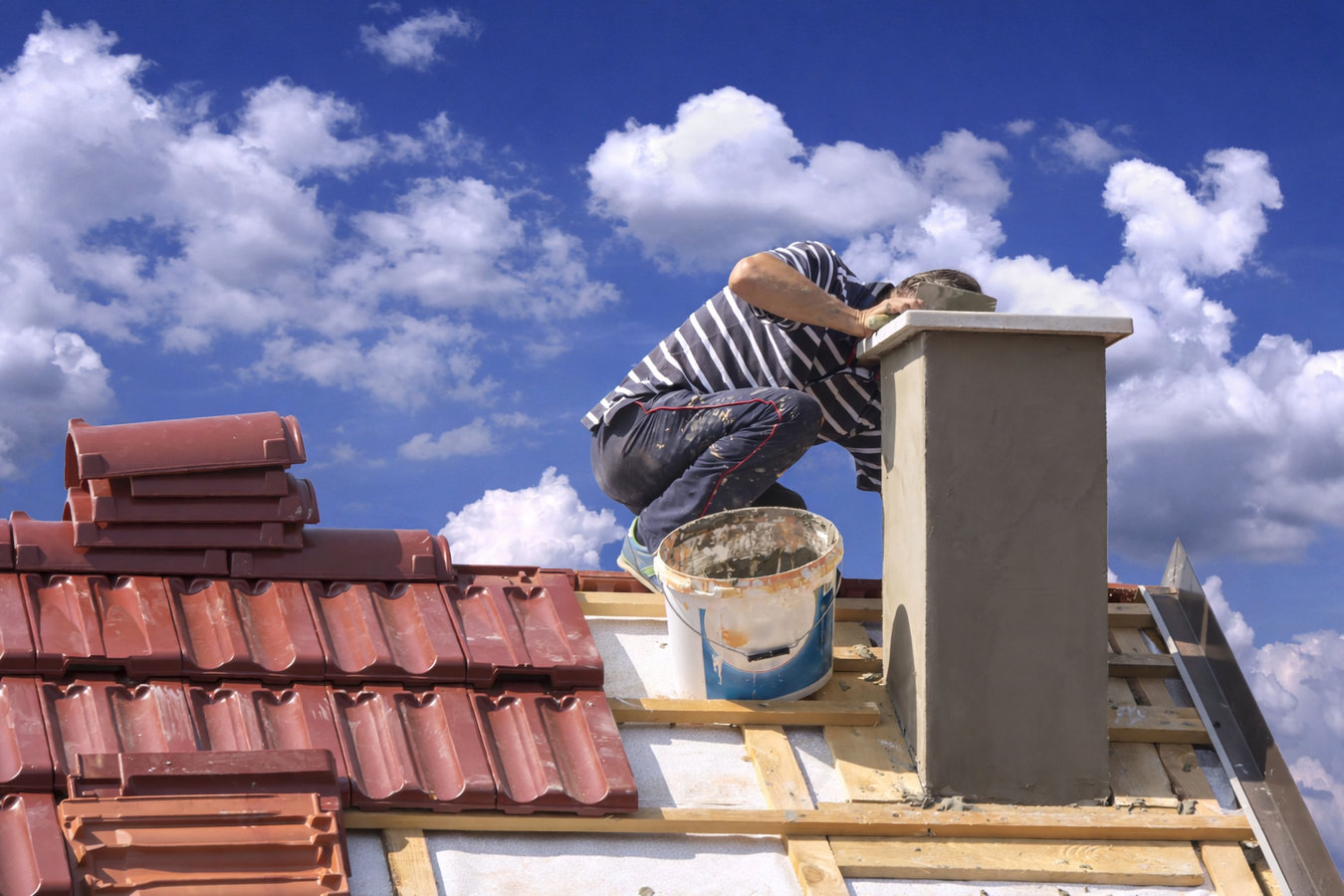
White stains on the brick, smoke backing into the room, mortar crumbling between joints - these are signs your chimney needs attention before the next rainy season arrives.
Chimney repair in Roseville, CA covers everything from repointing crumbling mortar joints and replacing a missing cap to rebuilding the crown and relining the flue - most jobs are completed in a single day.
A chimney does more than carry smoke outside. It creates a sealed path that keeps dangerous gases - including carbon monoxide - out of your living space. When any part of that path breaks down, your family's safety is at risk, not just your home's appearance. Roseville's freeze-thaw winters and concentrated November-to-March rainfall make chimneys here especially vulnerable to mortar damage and water intrusion.
Chimney repair often goes hand in hand with other masonry work. If your chimney needs significant mortar work, we may also recommend tuckpointing on the surrounding brickwork, or a fireplace installation if you are looking to add or upgrade a firebox at the same time.
Chalky white streaks on the outside of your chimney are called efflorescence. They appear when water moves through the masonry and deposits mineral salts on the surface as it evaporates. In Roseville, this often shows up in spring after the rainy season ends. It is not cosmetic - it means water has already been getting in and the mortar or crown needs attention before next winter.
Brown staining on the ceiling or wall near your fireplace, or a damp odor when you open the damper, almost always means water is getting in somewhere. Roseville's concentrated winter rains give water plenty of opportunity to find any gap in the flashing, crown, or cap. If you notice this after a rainy stretch, do not wait - water damage compounds quickly once it starts.
Stand back and look at your chimney from the yard. If you can see gaps between bricks where the mortar has fallen out, or if the mortar looks sandy and crumbled rather than solid, the joints need repair. Roseville's freeze-thaw winters are particularly hard on older mortar - what looks like a cosmetic issue can allow water to get behind the brick face and cause much larger problems.
If smoke comes into the room instead of going up and out, something is blocking or disrupting airflow in your chimney. It could be a bird nest, a collapsed liner section, a stuck damper, or a structural problem. This is a safety issue - not just an inconvenience - and the chimney should be inspected before you use the fireplace again.
Our chimney repair work starts with an inspection from both the ground and the roof - and sometimes from inside the firebox with a camera. We check the cap, crown, mortar joints, flashing, and the liner inside the flue. Depending on what we find, we handle everything from simple cap replacement and mortar repointing to full crown rebuilds and liner replacements. We also work on flashing repairs where the chimney meets the roofline, which is one of the most common sources of water intrusion in Roseville homes. If the mortar joints between bricks have eroded significantly, we treat that as tuckpointing work - removing the damaged mortar and packing in fresh material that matches the original profile and color.
For homeowners thinking beyond repair - adding a gas insert, upgrading an older wood-burning fireplace, or installing a new firebox - our fireplace installation service handles the full scope of that work. We can assess whether your existing chimney is compatible with a new appliance or whether the liner needs modification before installation.
Right for homeowners with a missing, rusted, or damaged cap letting rain and animals directly into the flue.
Best for chimneys where the concrete crown at the top has cracked or spalled, allowing water to pool and enter the masonry.
Suited for chimneys with eroded or crumbling joints between bricks that are exposing the masonry to moisture and freeze-thaw damage.
For homes with water stains near the fireplace or smoke-venting problems traced to failed flashing or a deteriorated liner.
Roseville sits at the edge of the Sierra Nevada foothills, and winter nights regularly drop below freezing while afternoons warm back up. That daily temperature swing causes moisture trapped in brick and mortar to expand and contract repeatedly, widening small cracks into structural problems faster than in coastal California cities. Many of Roseville's homes were built during the planned-community boom of the 1980s and 1990s - meaning chimneys in neighborhoods like Woodcreek, Diamond Oaks, and Cirby Ranch are entering the age range where original mortar, crowns, and clay liners begin to show real wear.
We serve Roseville and the broader Placer County area, including communities like Rocklin and Lincoln, where the same freeze-thaw winters and concentrated rainy seasons create the same chimney wear patterns. If your home is in this region and has not had a chimney inspection in recent years, scheduling one before October is worth the time.
We reply within one business day. A few quick questions help us come prepared - what are you seeing, how old is the chimney, when was it last inspected. That way the inspection visit is not wasted time.
We check the chimney from the ground, the roof, and inside the firebox. After the inspection, we walk you through exactly what we found - in plain language - and give you a written estimate before any work is scheduled.
Minor repairs like cap replacement or mortar repointing typically do not require a permit. Structural work - liner replacement, partial rebuilds - does. We handle the permit application with the City of Roseville Building Division and schedule the city inspection after the job is complete.
Most chimney repairs wrap up in a single day. We protect your landscaping and roof surface, clean up completely, and walk you through the completed work. If mortar was applied, we tell you how long to wait before using the fireplace - typically 24 to 48 hours to cure.
Roseville's wet season starts in November. Book now and head into winter knowing your chimney cap is secure, your flashing is sealed, and water has no way in. We handle permits so you do not have to.
Roseville winters are mild overall, but the nightly freeze-thaw cycle from December through February accelerates mortar damage faster than in coastal California. Our chimney assessments account for the specific wear patterns that climate creates - not just what is visibly crumbling, but where moisture is working its way in undetected.
For structural chimney work, the City of Roseville requires a permit and a follow-up inspection. We manage the entire process - application, scheduling, and documentation. When the job is complete, you have a file showing the work was reviewed and passed, which matters when you sell your home.
The Chimney Safety Institute of America recommends annual chimney inspections for any chimney in regular use. We follow that standard - checking the cap, crown, mortar joints, flashing, and liner before recommending any repair - so you get an honest picture of what your chimney actually needs.
Chimney condition is one of the first things a buyer's inspector checks in Roseville's competitive real estate market. A documented repair history - including permits pulled and inspections passed - gives you something concrete to show buyers and their agents. It is one less issue that can derail a sale at the last minute.
Roseville homeowners want to know their chimney is safe before the fireplace season starts, and they want the paperwork to prove the work was done right. That is exactly what we provide as a licensed masonry contractor - honest assessments, documented work, and repairs built to hold through the next rainy season.
Precision mortar joint restoration for brick chimneys, walls, and fireplaces where the existing mortar has eroded or crumbled.
Learn MoreFull fireplace installation and gas insert conversion for Roseville homeowners upgrading or adding a firebox.
Learn MoreRoseville's rainy season starts in November. Mortar repairs and sealant need time to cure before the wet weather hits - book now to avoid the fall rush and head into winter with a sealed, safe chimney.